
Sergey Miloserdov
Hello! Today I'd like to discuss non-traditional game applications and continue the conversation on unconventional input methods. The gaming industry is often perceived as purely entertainment-focused, but its potential applications are much broader than meets the eye. Let's take a look at medical-related development, explore how breathing, heart rate, and sphincter control can be used to interact with screens, and see how this helps players in rehabilitation and education. Let's get started!
Warning: This is not a medical article. It discusses accessibility and health-related topics, but focuses on design solutions, not treatments or diagnoses. If you have questions, please consult a healthcare professional.
While we've discussed the evolution of game controllers and how games handle input data, there are certain situations that demand a fresh approach to both signal interpretation and game design. Our primary focus is on education and healthcare.
In this article, I invite you to explore the world of medical, rehabilitative, and corrective equipment. Along the way, let's discuss what these devices can look like, what data they might work with, and what actually works in this largely unseen yet surprisingly innovative market.
Non-Traditional Method
Numerous studies have demonstrated the benefits of interactive entertainment for mental health and cognitive development. While conventional games can be beneficial, there are also more innovative approaches that are worth exploring.
A range of physical and neurological conditions can be addressed through targeted exercises and training programs. By using games and interactive activities as motivators, it's possible to engage even young children with congenital issues, and help them develop beneficial skills during a critical period in their growth and development. For healthy children, proper motivation can also promote valuable habits and abilities.
But such games also need custom-designed controllers that break away from conventional input methods. This leads us to explore a new realm where both the way we engage with technology and the ultimate goal of our interactions are transformed.
The first step is to determine what the player needs to accomplish: breathe regularly, remain still, or draw a straight line? These tasks may seem simple, but they can be challenging for individuals who have experienced motor impairments due to conditions such as stroke. Additionally, many adults struggle with proper breathing techniques.
What other common challenges arise in this area, and what solutions can be implemented to address them? Let's examine these issues and potential resolutions.
Improving Mobility
Another area of focus involves recovering mobility after injuries or illnesses, which requires the controlled input of a patient under the supervision of a specialist.
The primary focus of these tools is on methodologies and task-specific exercises designed for individual patients, but there are indeed some notable product categories that stand out.
Stabilometry platforms are a type of mobility training device that uses a platform to measure changes in a person's center of gravity, adjusting its angle accordingly based on the task. The data is straightforward, consisting of displacement vectors along two axes. Despite this simplicity, these devices provide opportunities for implementing rehabilitation methods through their interaction design. While they may not be considered medical equipment per se, they are primarily designed to support professionals with the necessary expertise.
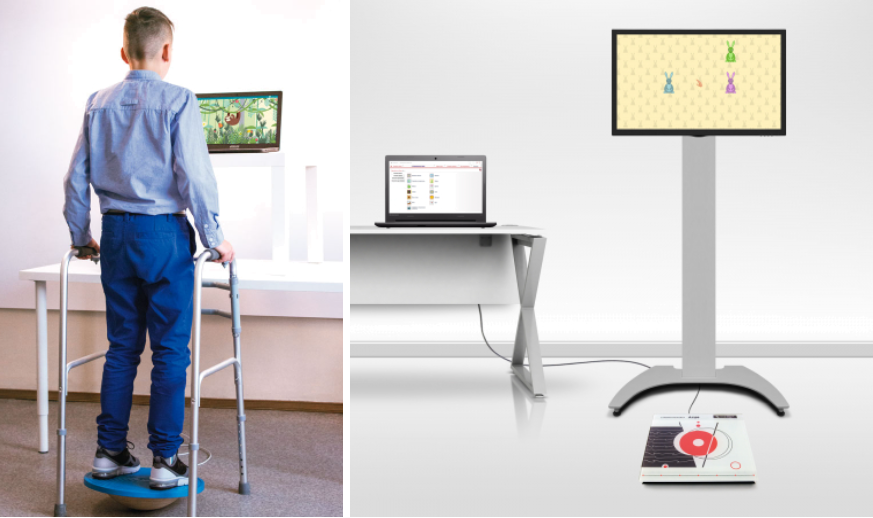
Studies have demonstrated the effectiveness of using stabilometry platforms with biofeedback. Rehabilitation programs that incorporate these platforms have been shown to reduce falls by approximately 21% among older adults. Furthermore, when used in conjunction with virtual reality technologies, stabilometry-based training has been found to be three times more effective in reconstructing standing and walking postures compared to traditional rehabilitation methods involving exercise complexes.
Stabilometry platforms have demonstrated their effectiveness in various scenarios, including the rehabilitation of children with cerebral palsy:
Not directly related to medical applications, but an interesting footnote in the history of stabilometry is Nintendo's attempt at creating a similar experience with their 1989 accessory, Roll 'n Rocker, for the NES. The device was designed to replace the D-pad in any game, but it had several limitations and drawbacks, including accuracy issues, unsuitability for fast-paced games, and safety concerns related to its unstable design and requirement to hold onto the controller. As a result, Roll 'n Rocker failed to gain significant popularity.
Try to imagine playing on the Roll 'n Rocker device while playing classic games like Megaman or Battletoads!
In some games, the primary goal is not to take action, but rather to remain inactive. Such design is relatively rare, but it does appear in interactive dramas like Heavy Rain and The Walking Dead, where inaction can lead to different story outcomes - often with unintended consequences.

Body tracking - this interaction type can be viewed as a distinct direction in mobility development. Its operation is based on detecting visual markers using camera feeds, similar to the principles behind Kinect or console camera systems, but implemented through software marker detection, like that used by PlayStation Move.
The promotional video may be flashy, but it effectively demonstrates the user interaction with the PS Move.
The primary goal for the player is to move their hands to place the cursor on the screen in the correct area. While straightforward in concept, incorporating additional motivation to stretch into uncomfortable positions through game mechanics can yield positive results for mobility development or training. Nevertheless, it is crucial that this is done under the guidance of a professional to prevent any potential harm or complications.
Video-based mobility development tools can be seen as equivalents of well-known commercial products, which also rely on body tracking technology. However, the key difference lies in how these products are designed and implemented, particularly in terms of their methodology and effectiveness.
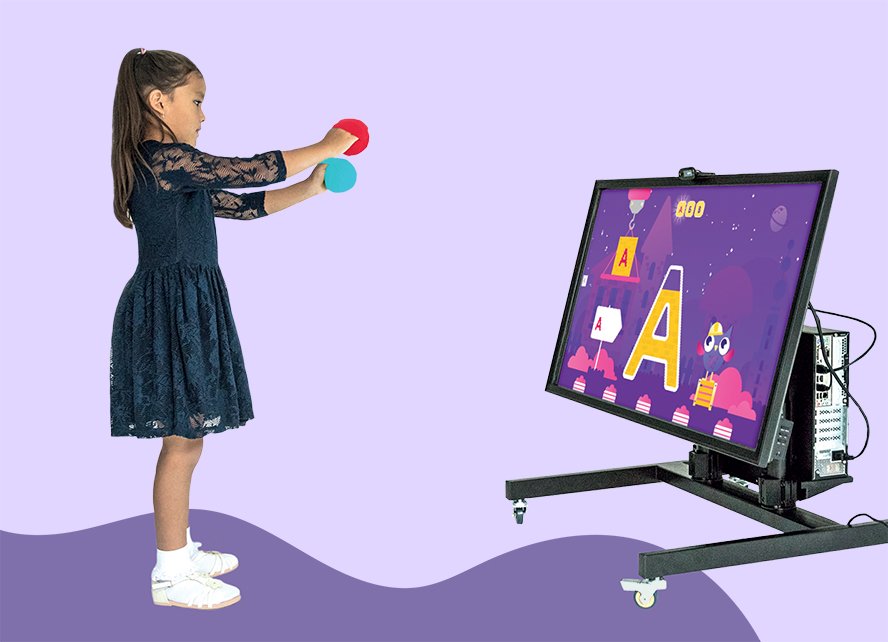
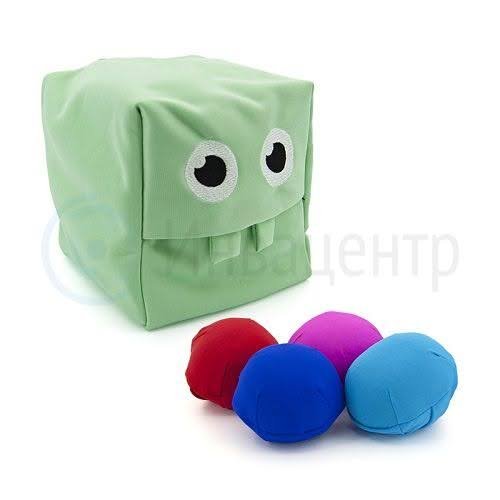
One example of such games is the MOBI "Solo" complex, which I had the privilege to develop as one of its creators. These games are designed for children aged 3-8 years old and aim to improve their motor skills, including coordination, speed, accuracy, selective motor reaction, and fine motor dexterity. The gameplay involves using special balls that are tracked by a camera. Players must navigate these balls onto objects on the screen, adjust their positions, and perform other tasks. Similar complexes include Timocco and others, which use this same approach to promote motor skill development.
A stylus and a graphic tablet are logical tools to help correct dysgraphia, using familiar writing instruments or similar devices that people are accustomed to. Dysgraphia may not be caused by medical conditions, but rather by established habits and stereotypes that impede an individual's ability to write by hand. For such tasks, artists often employ similar accessories. A graphics tablet can measure not only the coordinates on a sheet, but also the pressure and tilt of the pen, enabling additional correction based on this additional data.
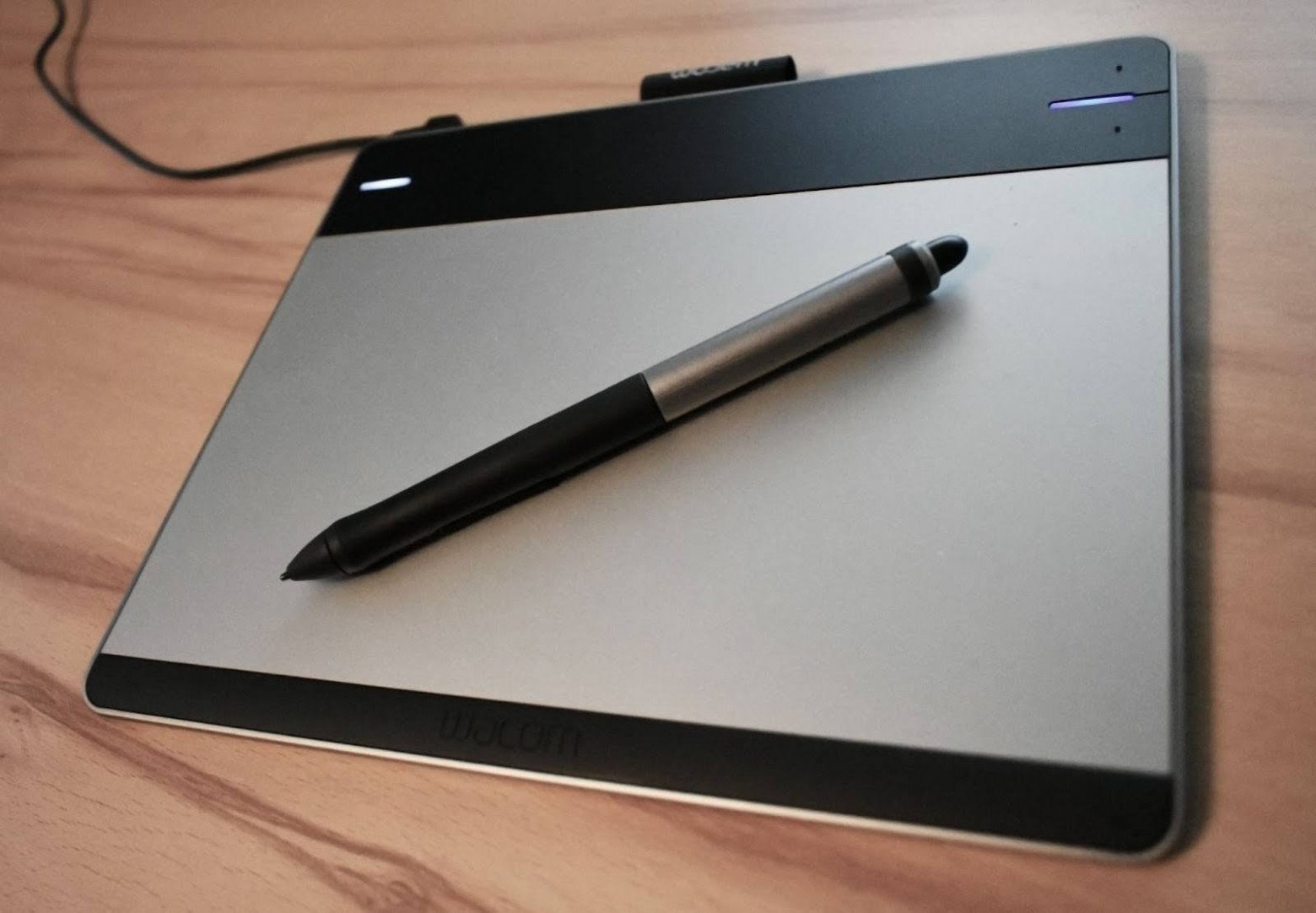
Graphic tablets are often used in traditional video games as a convenient replacement for mice, offering high precision and speed. Russian project "Turgor", which focuses on drawing, also leveraged this input method. Bridge Constructor provides an enjoyable experience of building bridges by literally drawing them on the screen. Furthermore, many players of the popular open-source rhythm game osu! prefer to use graphic tablets as their primary controllers.
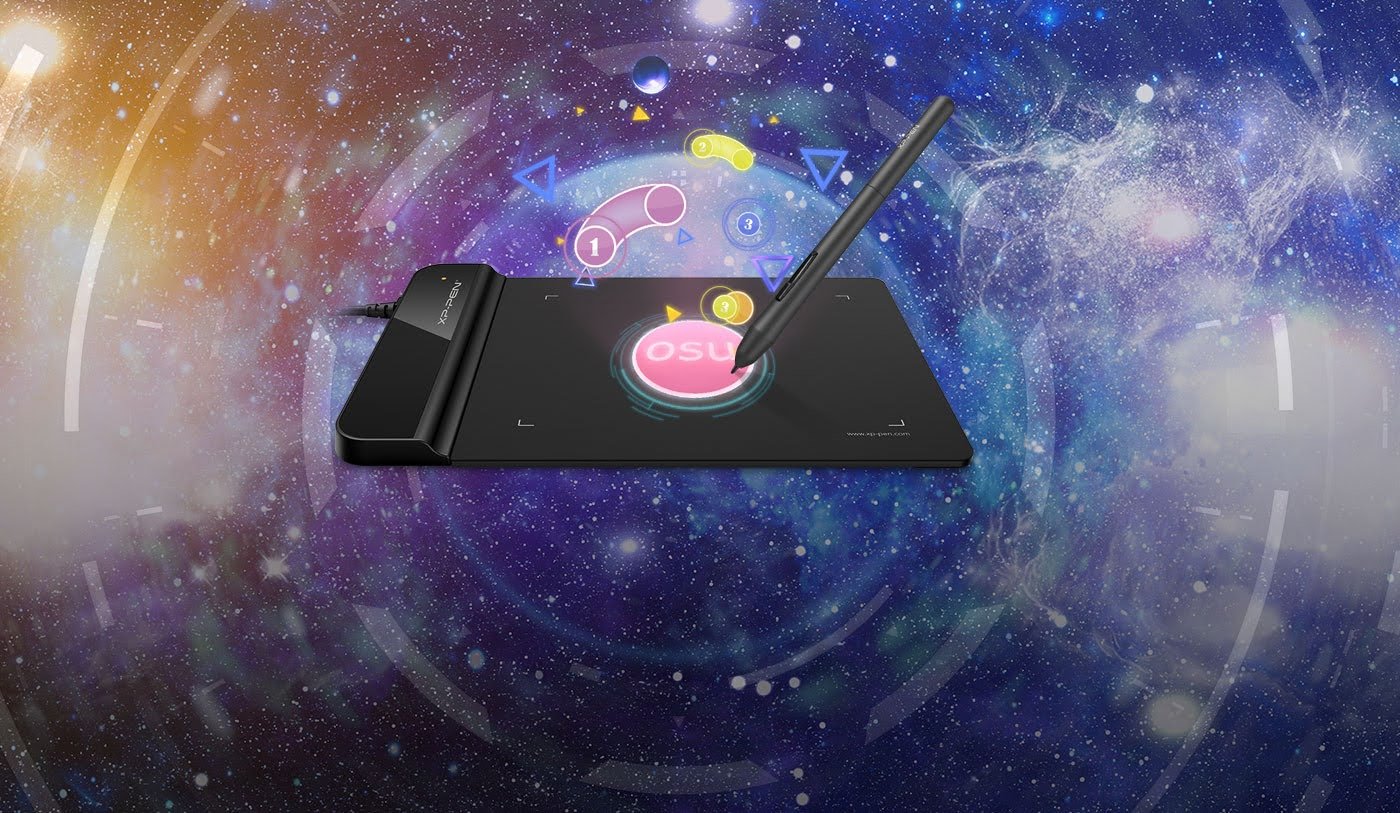
While graphic tablets are widely used in gaming, our primary interest lies in their medical and rehabilitative applications. One notable example is the "Почерк Леонардо" (Leonardo's Handwriting) training corrector, the development of which I had the privilege to contribute to. This innovative tool helps children overcome visual dysgraphia and mirror writing by providing a comprehensive approach that tracks progress and allows for adjustments in therapy as needed.
The "Leonardo's Handwriting" system mirrors the computer screen, allowing children to see their handwriting on the screen in real-time.
When applying gaming technology to medical contexts, there inevitably arises a need to utilize data types and parameters that are not typically utilized in standard game development, such as those related to user movement, posture, and other physiological metrics.
Unconventional data
Heart rate (HR) is another data type that is not typically associated with conventional games. However, heart rate can also provide valuable insights into a person's actions beyond just their physical state. For instance, heart rate tends to increase during physical activity. Moreover, heart rate changes in response to the inhalation phase, which has led to the development of breathing and vocal breath training methods. Proper vocal breathing is beneficial across various domains, and setting it up at an early age is a key goal for speech therapists. In this context, using pulse data and inhalation phase information as an auxiliary tool can be particularly useful.
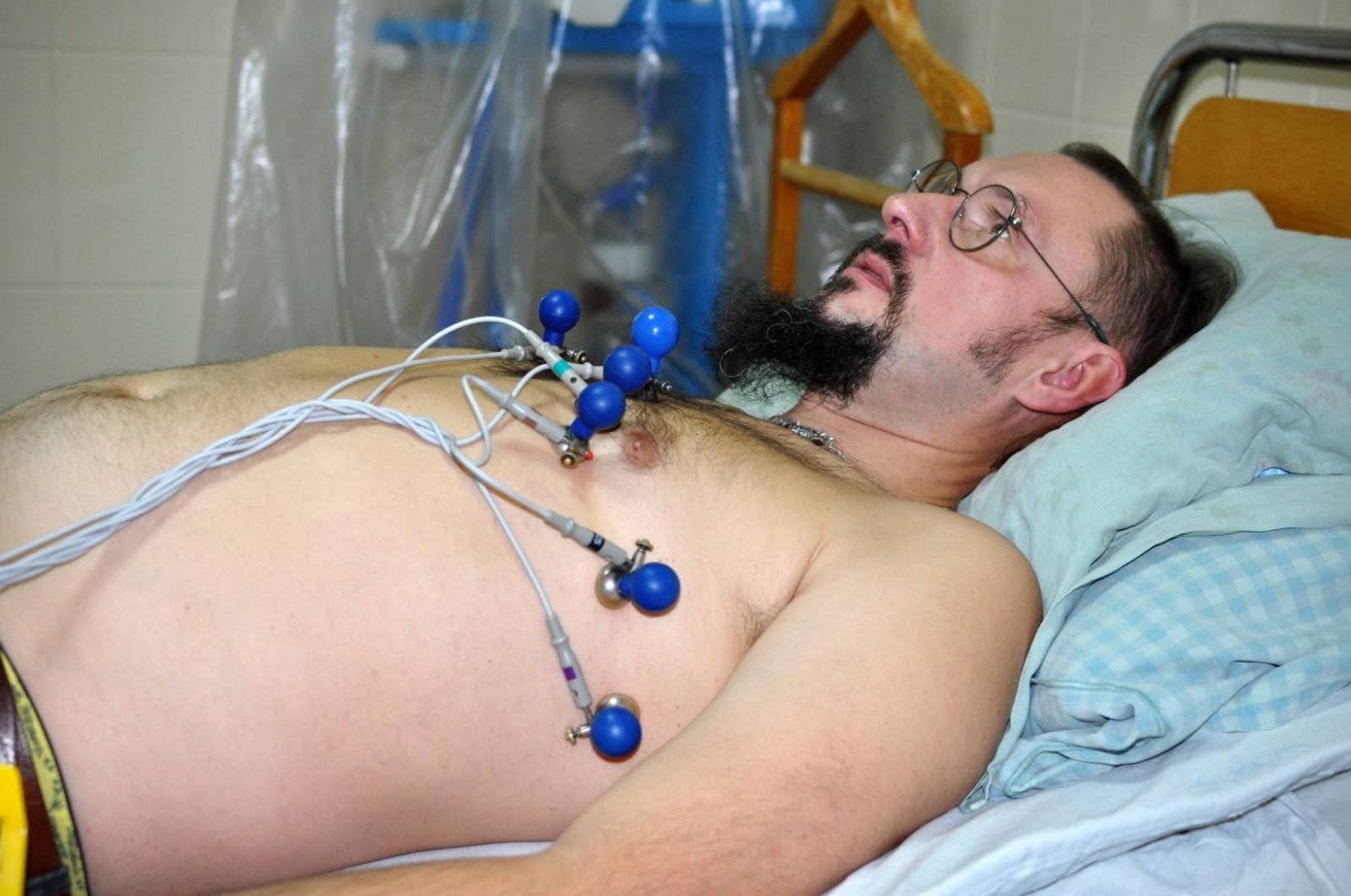
This approach leverages both electrocardiogram (ECG) sensors and optical plethysmography sensors, commonly found in pulse oximeters, to collect vital signs data. The processed information is then used to create metrics on heart rate frequency and breathing depth, which can be employed for real-time correction and adaptation during training and learning. Furthermore, the program may incorporate games that dynamically adjust difficulty based on changes in these physiological parameters, allowing players to control the experience through controlled breathing exercises.
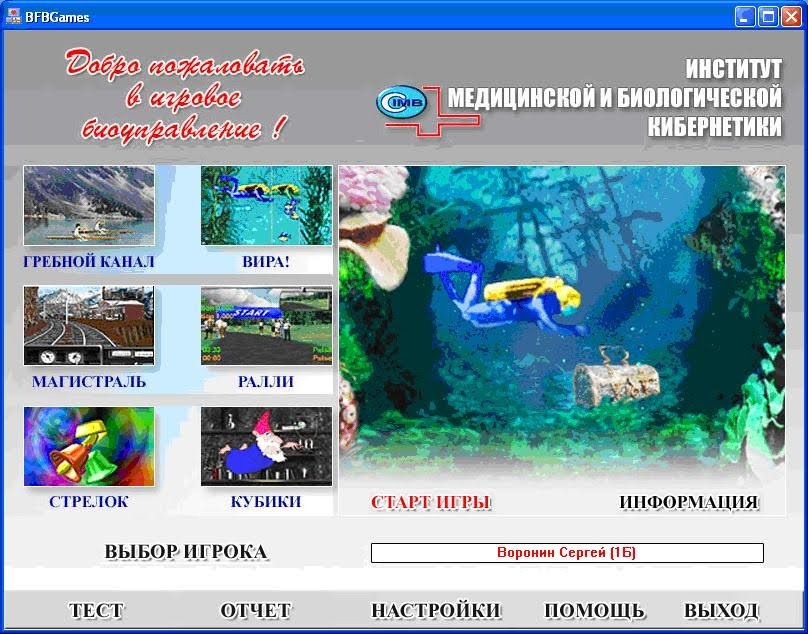
The Russian game "Rowing Channel" uses heart rate interval regulation as a gameplay mechanic. The player's goal is to maintain a calm and steady state, which allows the boat to move faster. The game tracks the player's heart rate using a pulse detector and provides feedback on their performance based on their physiological state. By becoming more relaxed and calm, players can improve their chances of winning against a computer opponent.
Research studies have demonstrated that engaging games with competitive elements can foster a genuine interest in users, while also contributing to the development of self-regulation skills. Specifically, these games can help individuals learn to consciously and voluntarily modulate their heart rate interval within a range of 5-12%. This improvement in physiological regulation is a significant achievement, especially considering the relatively simple nature of the training program.
Alike are games like "Vira!", where player controls the diver's descent, "Rally", where a vehicle speed is inversely proportional to the player's pulse, and "Magic Cubes" where a calm and steady pulse prevents a tower from collapsing. All of these help reduce anxiety, normalize sleep, improve mood, and even enhance vocal characteristics.
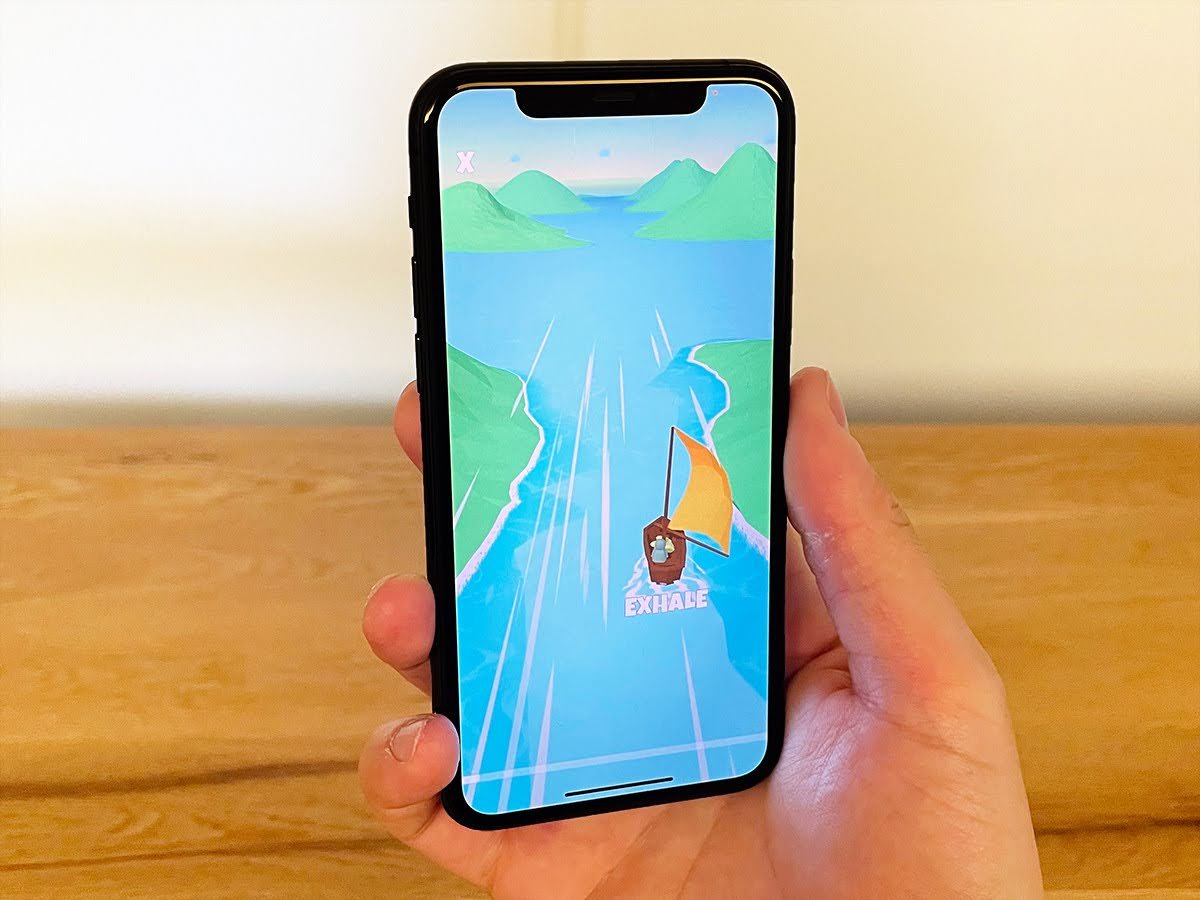
The incorporation of breathing techniques into games can be achieved without expensive hardware. The mobile app Breeze 2 is a notable example, utilizing a smartphone's capabilities to teach proper slow breathing through an innovative sound-based algorithm that detects breaths in real-time. The game itself, involving the management of a sailboat, has proven popular among users and provides benefits for relaxation and treatment of non-infectious respiratory conditions like asthma.
The integration of heart rate data into mainstream gaming has been explored by several major players in the industry. During the development of the DualShock 4 and DualSense controllers, Sony investigated the possibility of incorporating heart rate sensors and even palm sweat detection. In 2009, Nintendo unveiled its Wii Vitality Sensor, a peripheral that could track pulse rates. However it has never moved beyond the prototype phase.
Horror gaming appears to be an ideal genre for incorporating heart rate data, and Nevermind stands out as a pioneering example of how this can be effectively implemented. By using heart rate monitoring to create a dynamic and responsive gameplay experience, Nevermind makes the player's emotions and physical reactions an integral part of the game, amplifying its terror factor.
"Your greatest enemy is in your own head," the trailer for Nevermind warns, and it's not lying.
In Bring to Light, a VR horror game, the opposite approach is used: a slow pulse actually amplifies the challenge. While both games utilize heart rate data, neither one makes it a mandatory aspect of gameplay - players can still enjoy them without the added layer of biofeedback.
Without access to a heart rate monitor, Bring to Light can dynamically adjust its difficulty level by drawing from the collective statistics of all players who have played the game before. This ensures that the experience remains challenging and unpredictable, even without the use of biofeedback technology.
In casual games like Beats Down and Skip a Beat, heart rate data serves as a dynamic element that affects gameplay pace. As players' hearts beat faster, the difficulty level increases, and so does the potential for rewards, creating an engaging and responsive gaming experience.
Beyond its use in gameplay, heart rate data has a broader application in stress management and relaxation exercises. This field also explores the potential of incorporating other non-traditional data sources to create more effective and immersive experiences for users looking to reduce anxiety and improve their well-being.
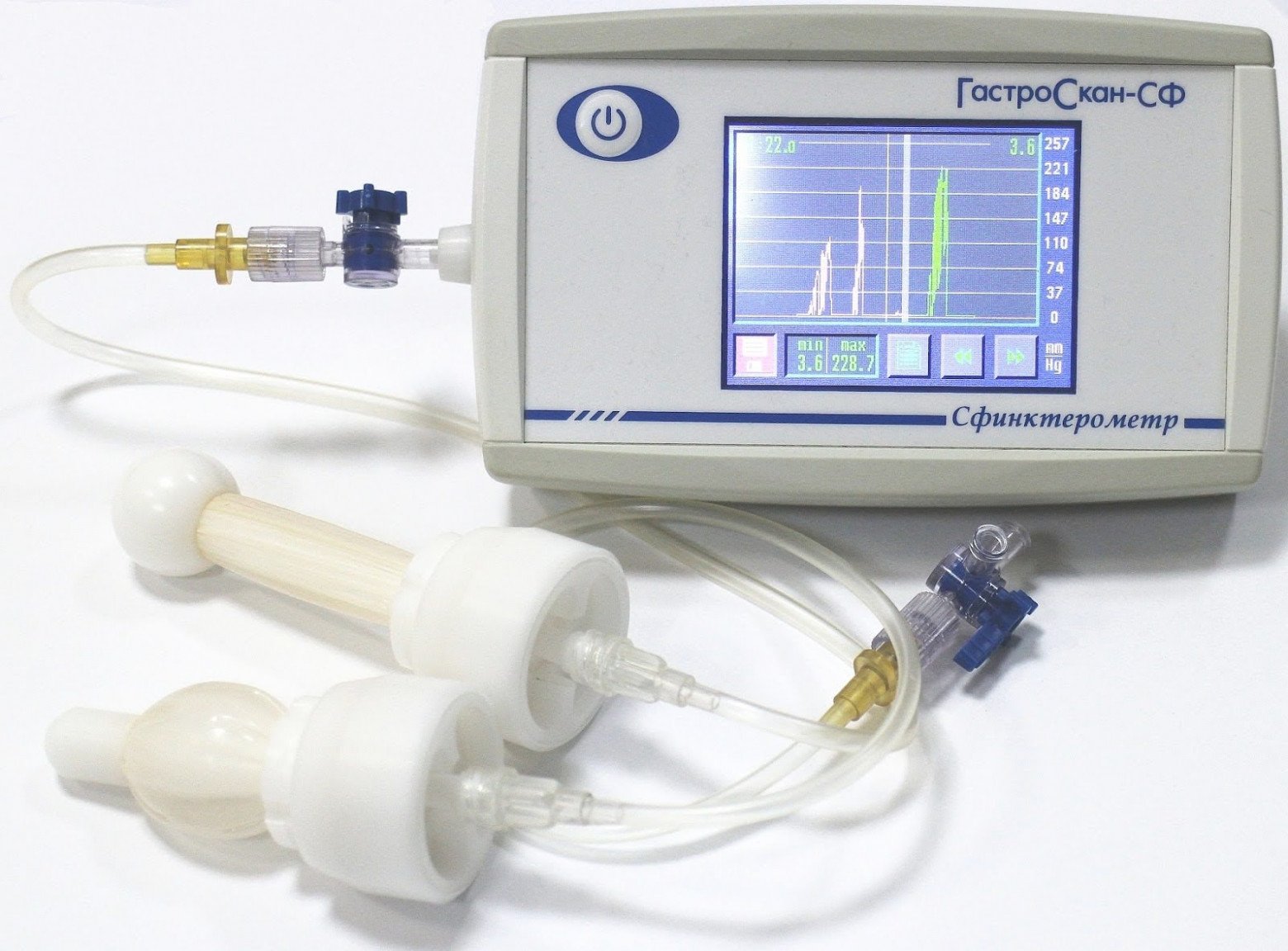
The sphincterometer "GastroScan-SF" is designed for the rehabilitation of pelvic floor muscles using biofeedback and gamification methods, helping people avoid surgery and treat a range of diseases from constipation to erectile dysfunction. To achieve this, specialized tools are used to record anal and vaginal pressure levels.
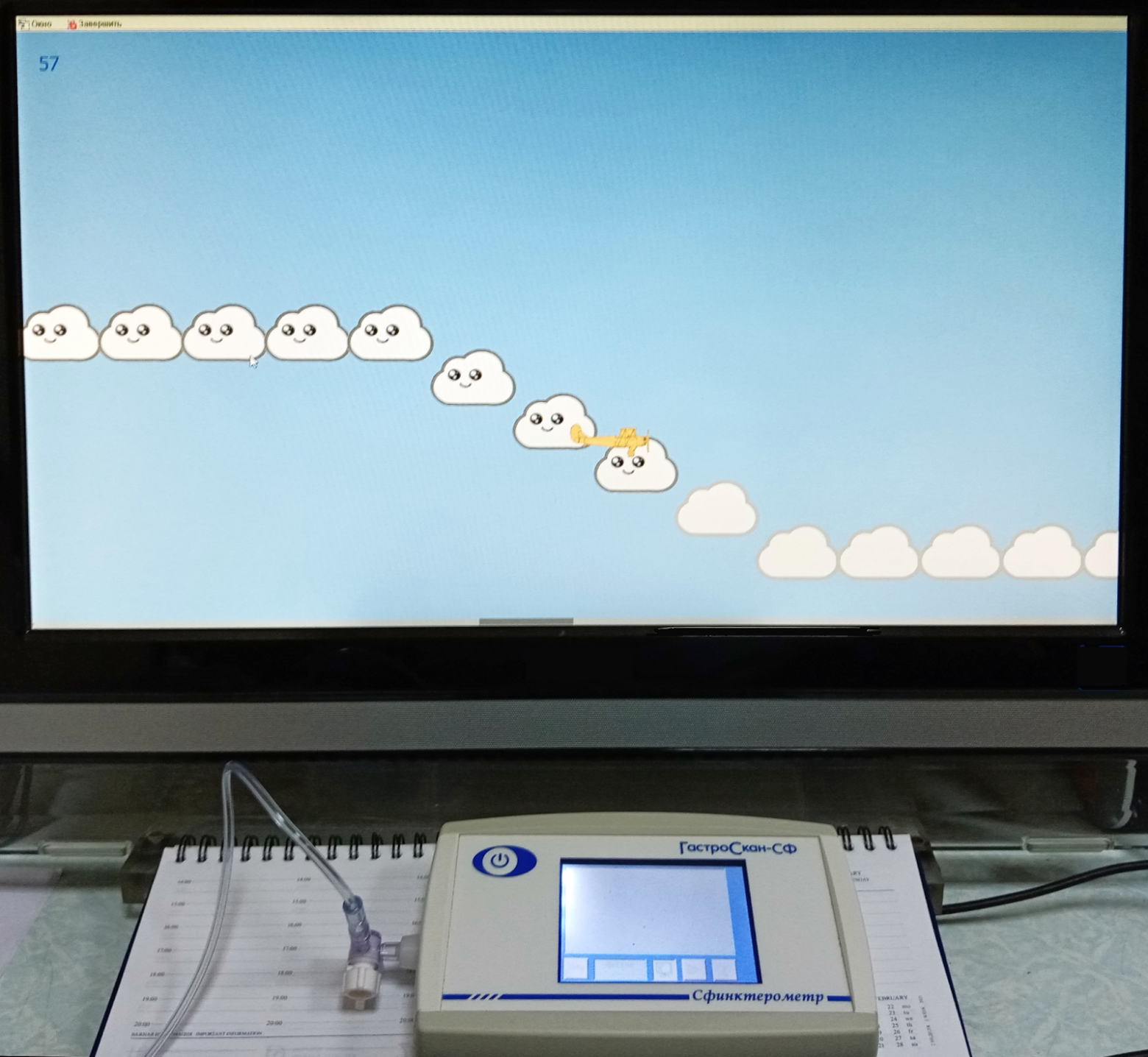
By using biofeedback to control the plane's flight path, patients learn to properly contract and relax their pelvic floor muscles in a fun and interactive way. The game's gentle learning curve and rewarding feedback make even the most challenging exercises feel enjoyable, increasing patient engagement and motivation.
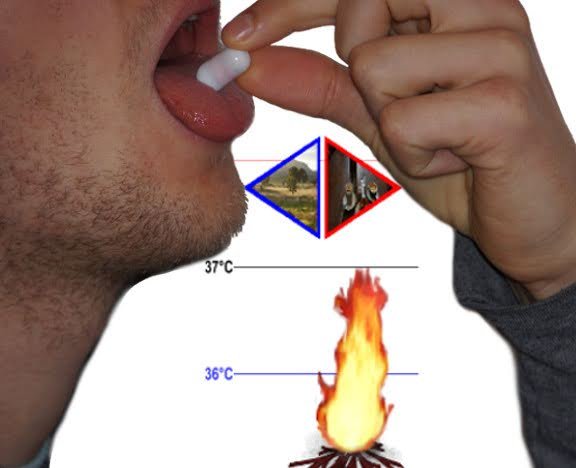
Another parameter considered in "serious games" is body temperature. While it may seem unusual to think about influencing one's temperature through sheer willpower, research suggests that our emotional state can indeed impact blood vessel tone, including those in our extremities. For instance, individuals experiencing stress or anxiety may exhibit cold hands. By monitoring this physiological response, developers can create games that help users manage their emotions and relax. While the effectiveness of such an approach may vary from person to person, it remains a valuable indicator of emotional state.
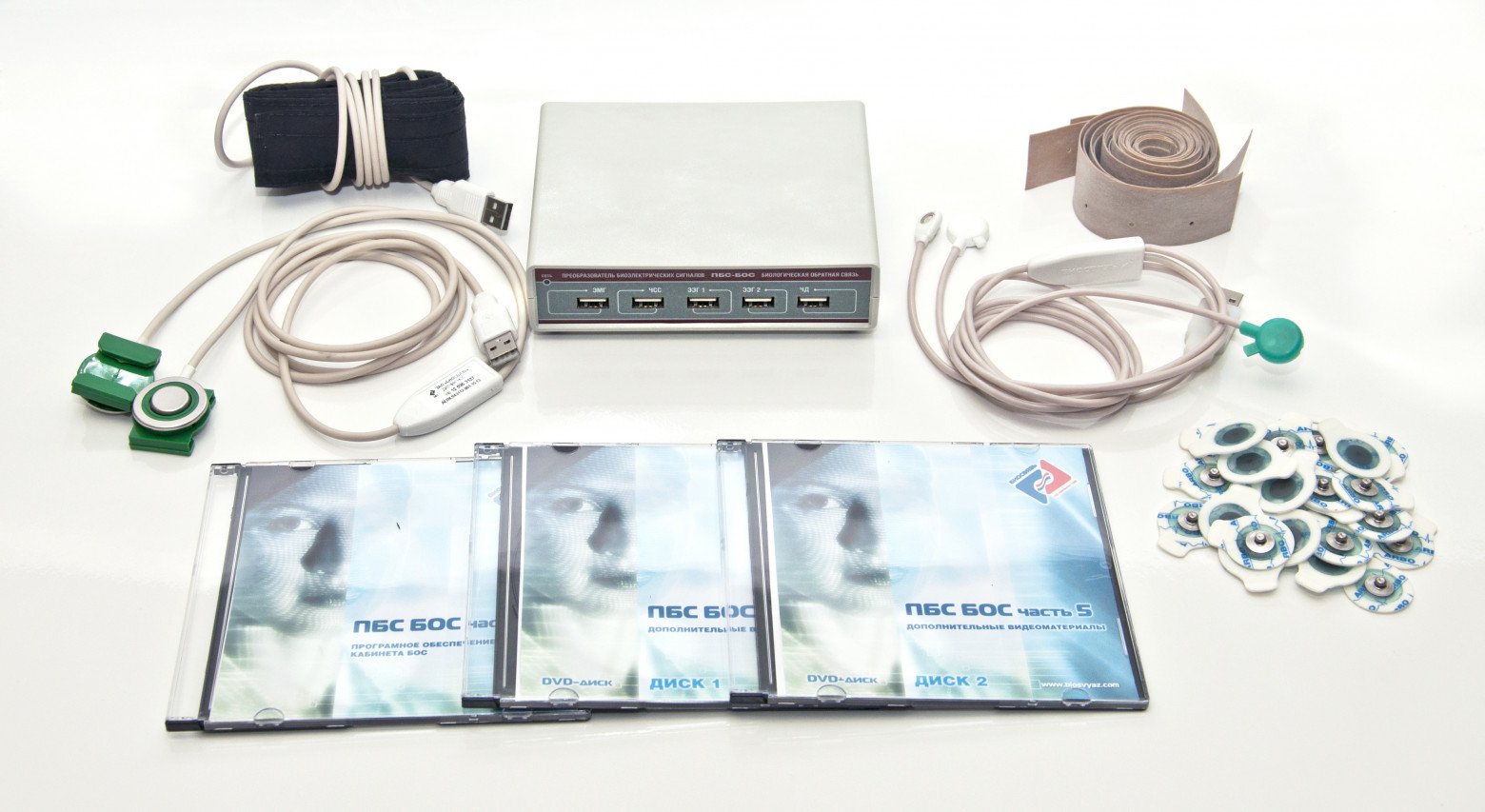
Electromyography (EMG) is another physiological parameter that can be measured using specialized sensors. While it may not have been widely adopted in mainstream game controllers, EMG data can provide valuable insights into muscle activity and tension. By attaching electrodes to specific muscle groups, players can use their body's natural responses to control gameplay mechanics, such as movement or interaction with objects.
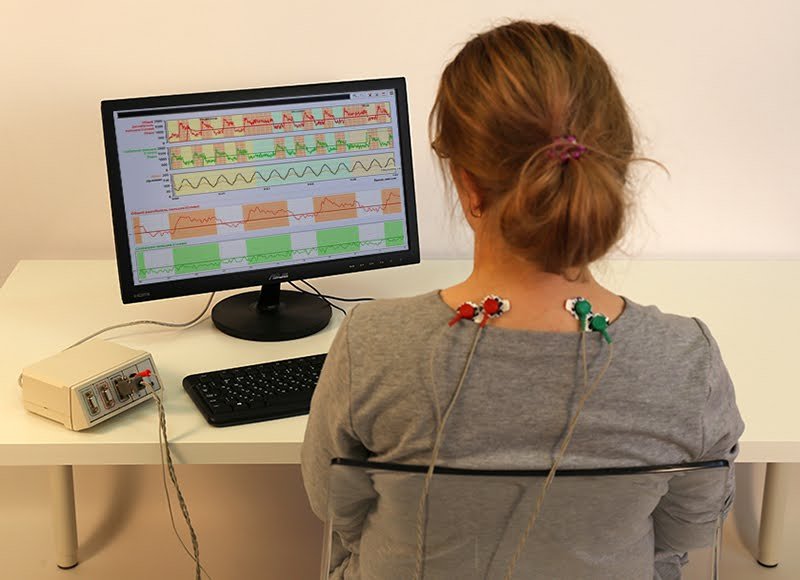
Although EMG-based products have not achieved widespread adoption, the "Kinesis" system demonstrates their potential in medical and rehabilitation contexts. This comprehensive biofeedback tool integrates multiple physiological signals - including EMG, EEG, and ECG - to provide a holistic understanding of an individual's psychological and physical state. By leveraging this data, healthcare professionals can design targeted interventions using engaging games to address various disorders and improve patient outcomes.

Electroencephalogram (EEG). There is another group of sensors that can be used for the same tasks. You may have even seen special headbands designed to help with relaxation on sale on some online markets. While each implementation should be evaluated on its own, in general, these devices use EEG to detect brain activity. Different rhythms are usually associated with different states of consciousness. Analyzing these rhythms can provide information about whether a person is responding correctly to the gaming situation.
While there is currently no direct evidence of a clear correlation between skin-surface EEG signals and specific thoughts, these sensors are still useful for detecting changes in brain activity that can indicate a person's emotional or cognitive state. The simplicity of the tasks they can perform makes them suitable for applications where a more nuanced understanding of brain function is not required.
The use of brain feedback in games offers a promising approach for addressing various psychological issues. Mindlight, for example, seamlessly integrates relaxation and focus into its gameplay mechanics. By requiring players to concentrate on puzzles and relax to overcome challenges, the game creates a unique therapeutic experience that is both engaging and effective. While this combination is not common in "serious games", it highlights the potential of using brain feedback to create innovative and beneficial gaming experiences.
Studies have shown that Mindlight is as effective in reducing anxiety in children aged 8-12 as cognitive-behavioral therapy (CBT).
The "Sight Correction" program uses EEG to detect changes in brain activity associated with visual perception. By providing real-time feedback, the system helps patients learn to control their eye movements and reduce strain on their visual system. According to clinical trials, this approach has been shown to be highly effective, with 86% of participants experiencing a significant improvement in their vision and a reduction in asthenopic complaints in 50% of cases.
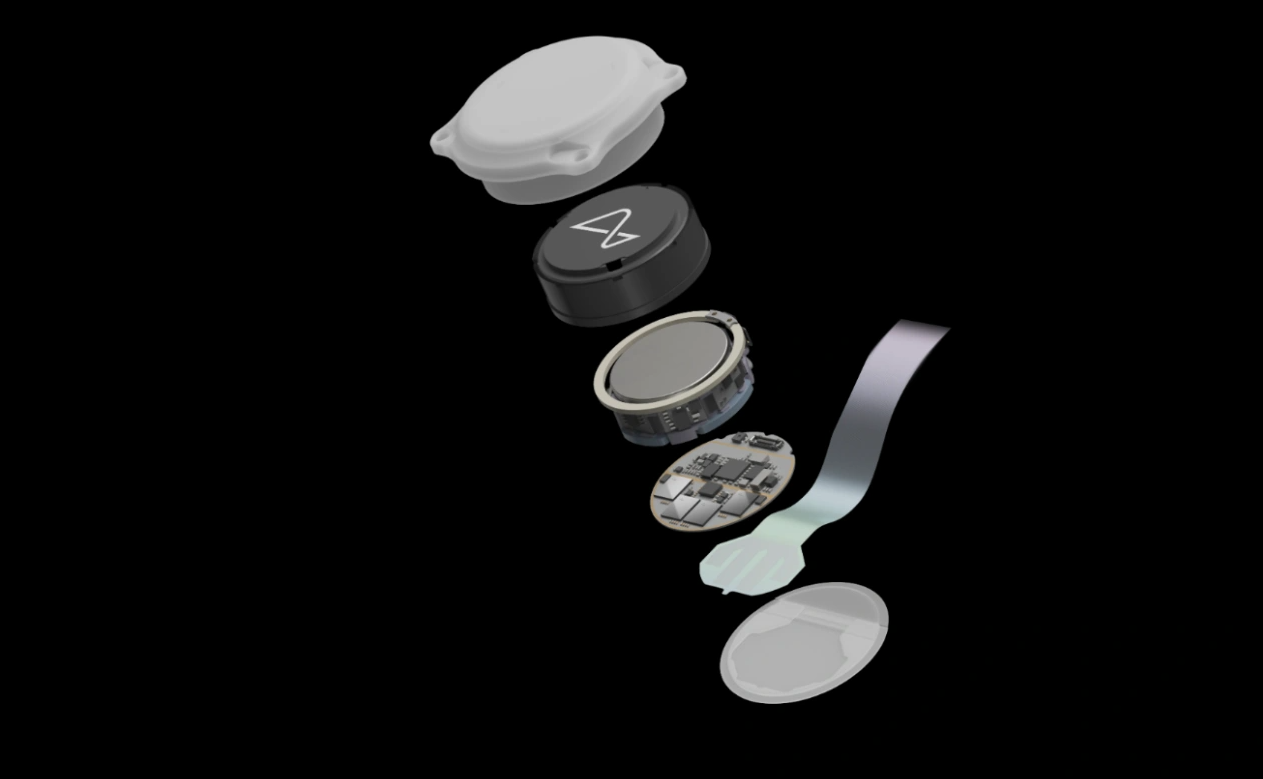
Neural implants. Let's move from relatively rare mentions of non-medical devices to the trendy topic of invasive sensors implanted in the brain's cortex. Neuralink company is quite active in the media.
The first notable achievement in this field was reported in 2021, when researchers demonstrated that a rhesus macaque monkey could play a simplified version of Pong using only its thoughts. This breakthrough sparked significant interest and investment in neural interfaces. Fast-forward to 2024, and the field has made rapid progress, with reports of paralyzed individuals successfully controlling devices with their brain signals. These developments are seen as crucial milestones on the path towards restoring motor function and improving quality of life for those affected by paralysis and other neurological conditions.
The voluntary use of brain-computer interfaces to enhance quality of life appears to be a natural progression of this technology. Additionally, research into restoring sight through neural implants is also underway. While the specific technologies and algorithms used by these devices are typically considered trade secrets, it is clear that AI-powered signal processing plays a critical role in their functionality. By leveraging machine learning and deep learning techniques, these systems can decode complex neural signals and translate them into meaningful actions or feedback.
Neuralink is turning humans into telekinetics.
The interpretation of neural signals can be a challenging task due to their inherent variability and lack of standardization. As each individual's brain development is unique, devices must learn to adapt to their specific patterns and rhythms. This requires a high degree of personalization and customization to ensure accurate signal processing and effective communication between the human brain and the device. For further insights into this complex topic, please refer to this article.
The need for surgical intervention makes these devices a medical tool, and therefore, there will be many stages of testing and control. Additionally, society as a whole must mature to accept such devices. However, a clear direction is already visible today.
Gaze-traching. And here we return once again to the controllers used in ordinary games. The Neuralink video on controlling a game of chess with an implanted chip raises the question: is it really necessary to surgically intervene in the brain to move a cursor across the screen without using one's hands?
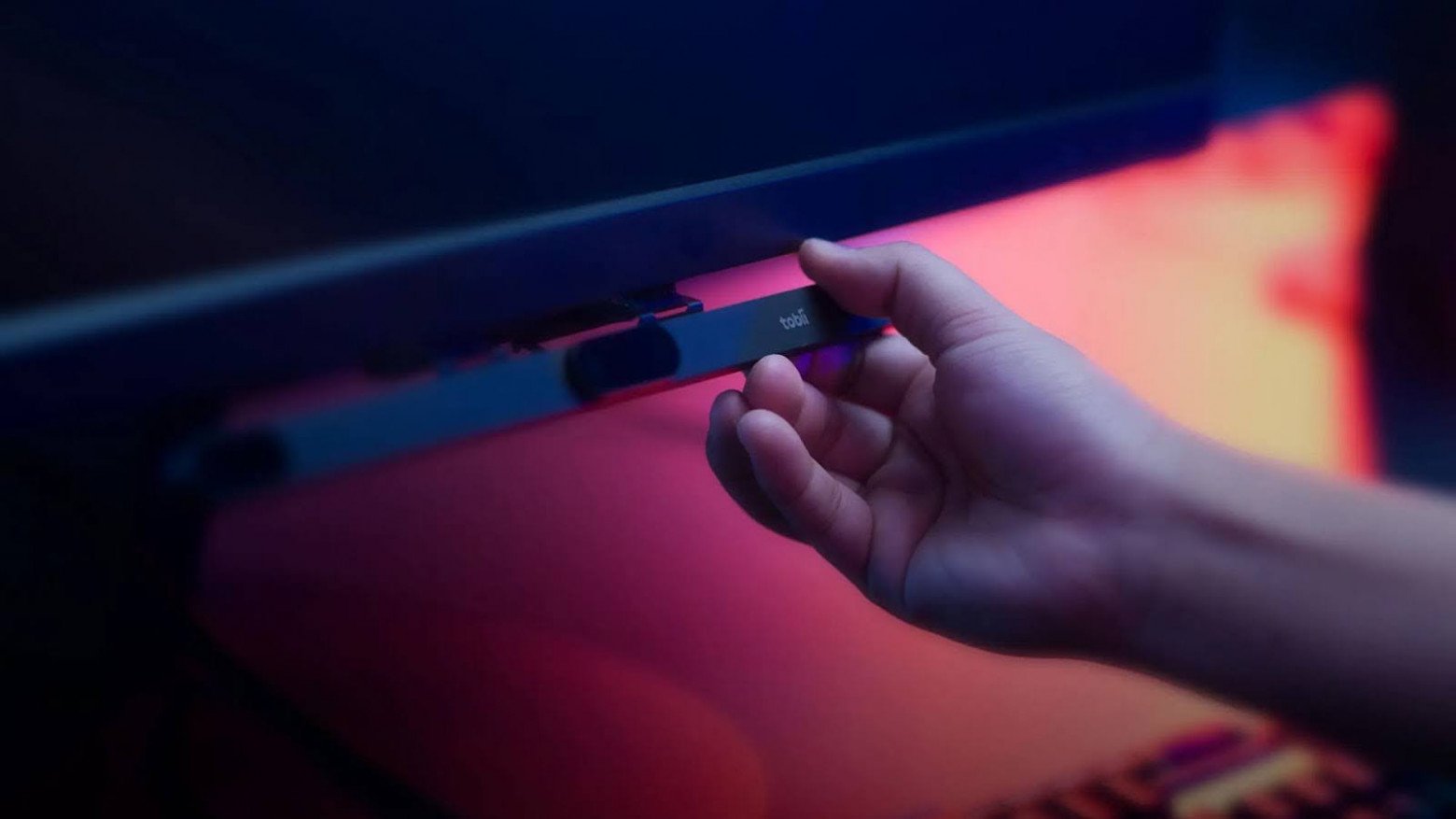
Gaze-tracking controllers have been commercially available for several years, with devices like Tobii Eye Tracker leading the way. These systems use advanced algorithms to accurately track a user's gaze on a screen, allowing them to interact with digital content without physical input. In certain applications, such as accessibility or gaming, gaze-tracking can be a game-changer, providing a more intuitive and inclusive way of interacting with technology.
One of the challenges of using gaze-tracking technology is determining when a user intends to interact with an object on screen. Since there are no physical buttons or clicks, developers must rely on algorithms to detect subtle changes in eye movement and pupil dilation. This requires sophisticated software that can interpret these signals accurately and adapt to individual users' behaviors. While it's a complex problem, it's one that researchers and developers are actively working to solve.
Gaze-tracking technology has many applications beyond gaming, particularly in education and training. For instance, it can be used to create personalized learning experiences that adapt to an individual's attention span and engagement level. In professional simulators, such as pilot or machine operator training, gaze analysis can provide valuable insights into the effectiveness of the training program and identify areas for improvement. By integrating gaze tracking into the workflow, organizations can proactively detect attention lapses and prevent accidents, ultimately improving safety and efficiency.
The horror game Glimpse of Fear uses gaze tracking to control a flashlight, and at the same time, it sneakily adds creepy elements in blind spots, making sure the player doesn't relax.
UX-designers also use gaze-tracking technology, for example, in the game "World of Warships", they actively used it to analyze user interaction with the interface. There is a great article on this topic nearby.
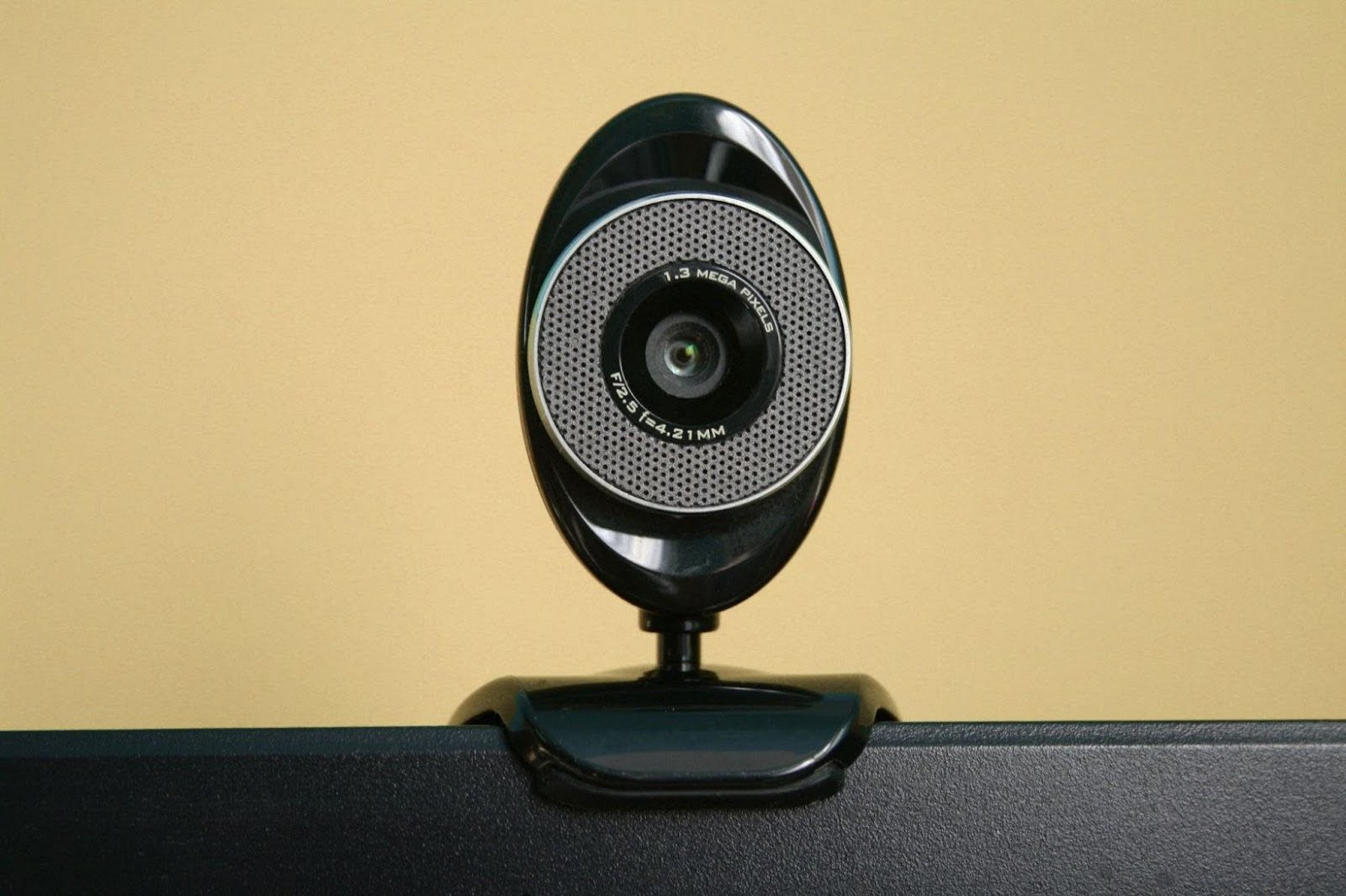
Specialized devices with additional infrared cameras provide higher accuracy, but the task can be solved at a basic level using a simple webcam with the necessary software. The use of AI in image processing from a practical perspective is described in detail in this article.
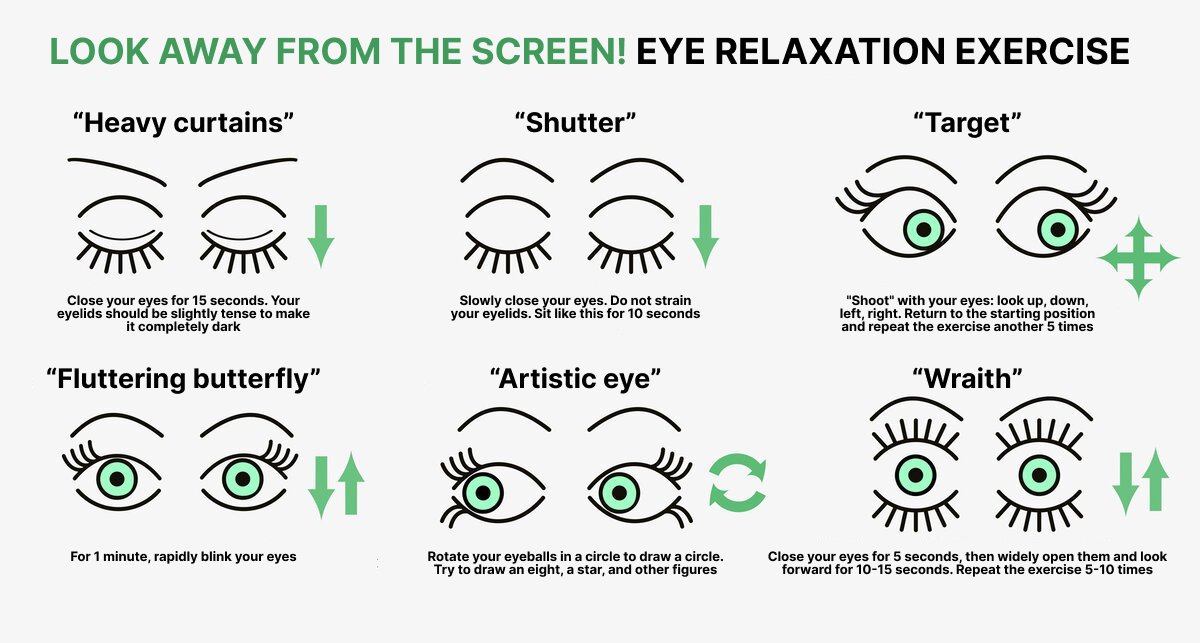
The integration of gaze-tracking technology into games has been shown to be an effective tool in treating various eye-related conditions, particularly in children. By using this technology, ophthalmologists can develop personalized treatment plans that are both engaging and effective. For example, the "lazy eye" syndrome and binocular vision dysfunction can be treated using games that track a child's gaze, providing real-time feedback to help them improve their vision. Research has shown that up to 30% of schoolchildren can achieve improved vision without surgery through training alone, making this technology a valuable asset in ophthalmological care.
Catch the Fruits is a great example of a game that uses gaze-tracking technology to help improve vision in children. The goal of the game is to track the movement of falling fruits on the screen with your eyes and prevent them from hitting the ground, which requires focus and attention to detail.

Gaze-tracking games also offer benefits in areas beyond ophthalmology, such as dementia care. The "Tangram" game, adapted for gaze-tracking technology, can help alleviate symptoms of age-related cognitive decline. Furthermore, KINKA's simple project set enables children to develop essential social skills like maintaining eye contact and having fun without relying on their hands - a significant advantage for individuals with conditions such as cerebral palsy, muscular dystrophy, amyotrophic lateral sclerosis, and other motor disorders.
A young girl is playing with the help of a gaze tracker.
A surprising finding was that these games can also reduce the pain associated with dressing changes for patients with chronic wounds. In fact, 93% of patients who played Look to Learn using gaze-tracking technology reported a significant decrease in pain levels during this procedure. This is a remarkable result, especially considering that the equipment used was a standard Tobii Eye Tracker 5th generation and an ordinary laptop.
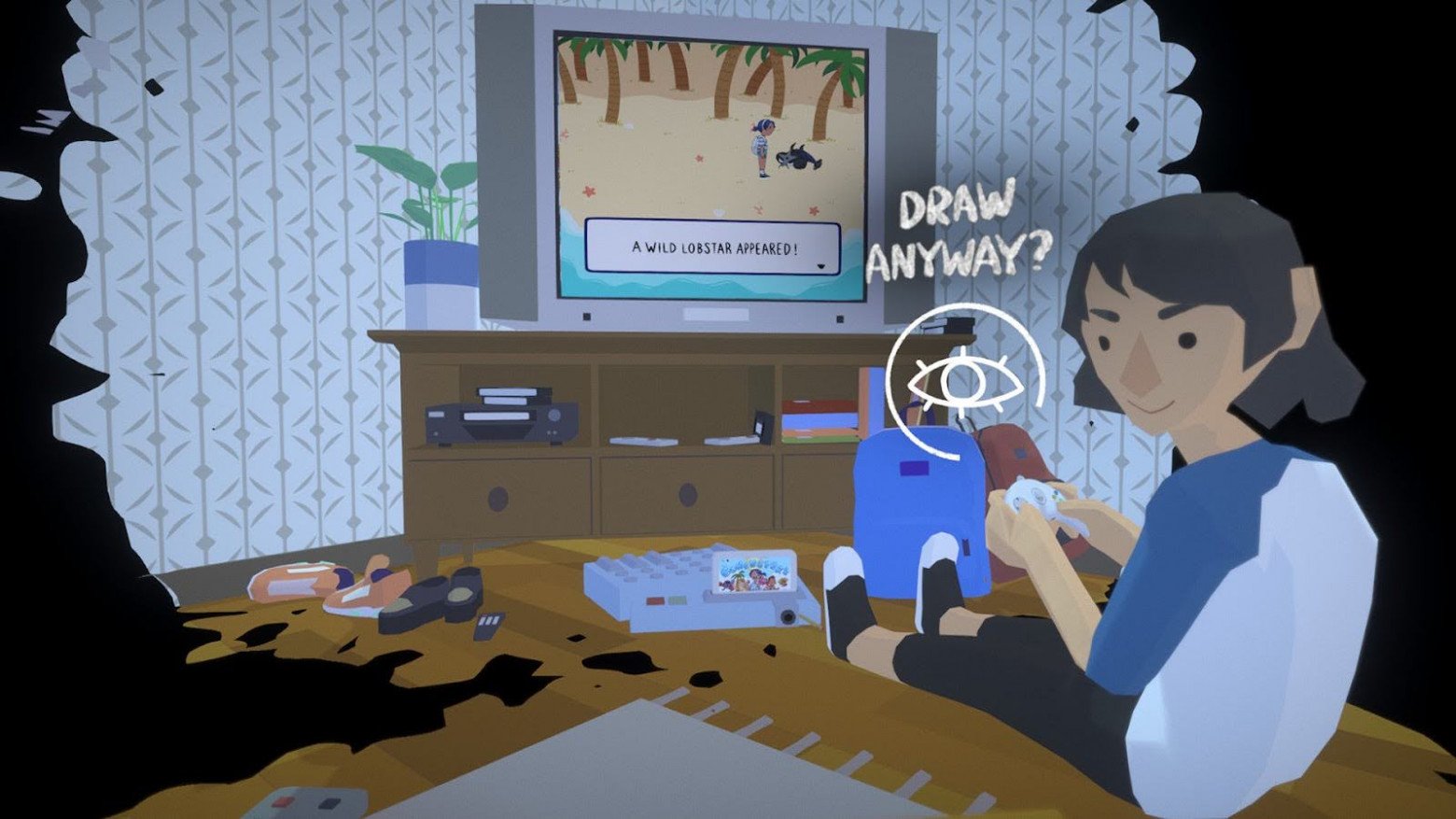
Game developers may be tempted to incorporate gaze as a standalone control mechanism into traditional games, but one of the biggest challenges is designing an accurate click event registration system. Blinking might seem like a simple solution, but in reality, users' concentration on when and how they should blink can lead to rapid eye fatigue. The developers of Before Your Eyes encountered this issue firsthand and spent considerable time finding a balance between their innovative idea and user comfort.
Data, Methods, and Features of Operation
However, collecting nonspecific signals is only half the battle - they must also be properly processed to remove noise and ensure accurate control. Without this step, extraneous spikes and fluctuations can lead to inconsistent performance or false triggers. Anyone who has experienced playing on a malfunctioning keyboard or controller will understand that the joy of gaming with poor controls is severely compromised. This highlights the importance of processing signals in order to maintain the integrity of gameification and provide an enjoyable user experience.
Developers of useful games must approach noise reduction with responsibility. For example, if a game is designed to work with signals of brain electrical activity, it's essential to consider that the signal processing should primarily be oriented towards the level of signal with a smoothed reaction to its changes.
The quality of data collected from users with varying levels of motor ability can be further enhanced by incorporating personalized calibration techniques into the system. This involves adapting the input signal processing to accommodate individual user characteristics, such as limitations in arm movement or strength. By doing so, the program can provide tailored feedback and tasks that are more effective for each user, taking into account their unique needs and abilities.
Signal and noise. When working with traditional game controllers, signal processing is often performed during the device's development phase. However, when dealing with specialized signals from sensors and electrodes, the situation becomes more complex. The signal received from these devices can be difficult to distinguish from noise and may require additional filtering. These challenges must be addressed by considering the methodology and required data, as premature signal filtering based on the algorithm may reduce the accuracy of information or harm the training process itself.
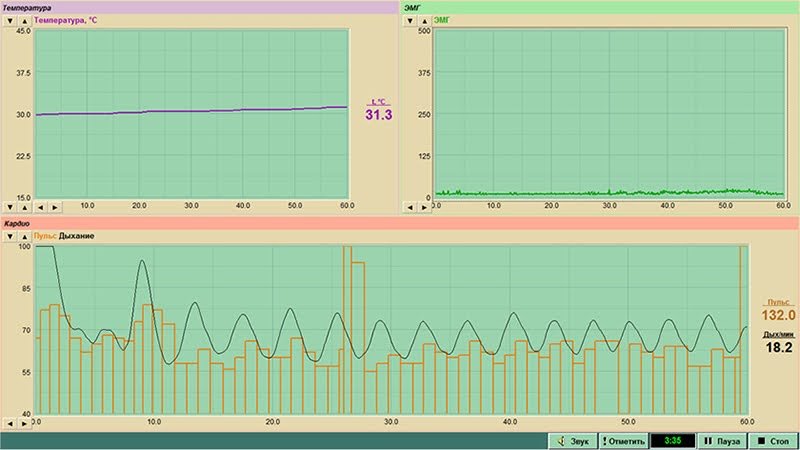
Temperature sensor data, however, presents a simpler case. In applications where temperature changes occur gradually, such as in games that monitor physical activity or stress levels, precise temperature readings are less critical than the rate of change over time. Averaging temperature data over short periods (e.g., several seconds) is often sufficient to capture meaningful trends and patterns without introducing excessive noise.
Electromyogram (EMG) signals provide another example of the importance of careful signal processing in games that rely on rapid feedback loops. To ensure accurate response times and maintain a clear understanding of player actions, EMG filtering must be optimized to minimize latency and preserve signal integrity. Any delay introduced by excessive filtering can disrupt the player's experience and undermine the effectiveness of the game's training or therapeutic goals.
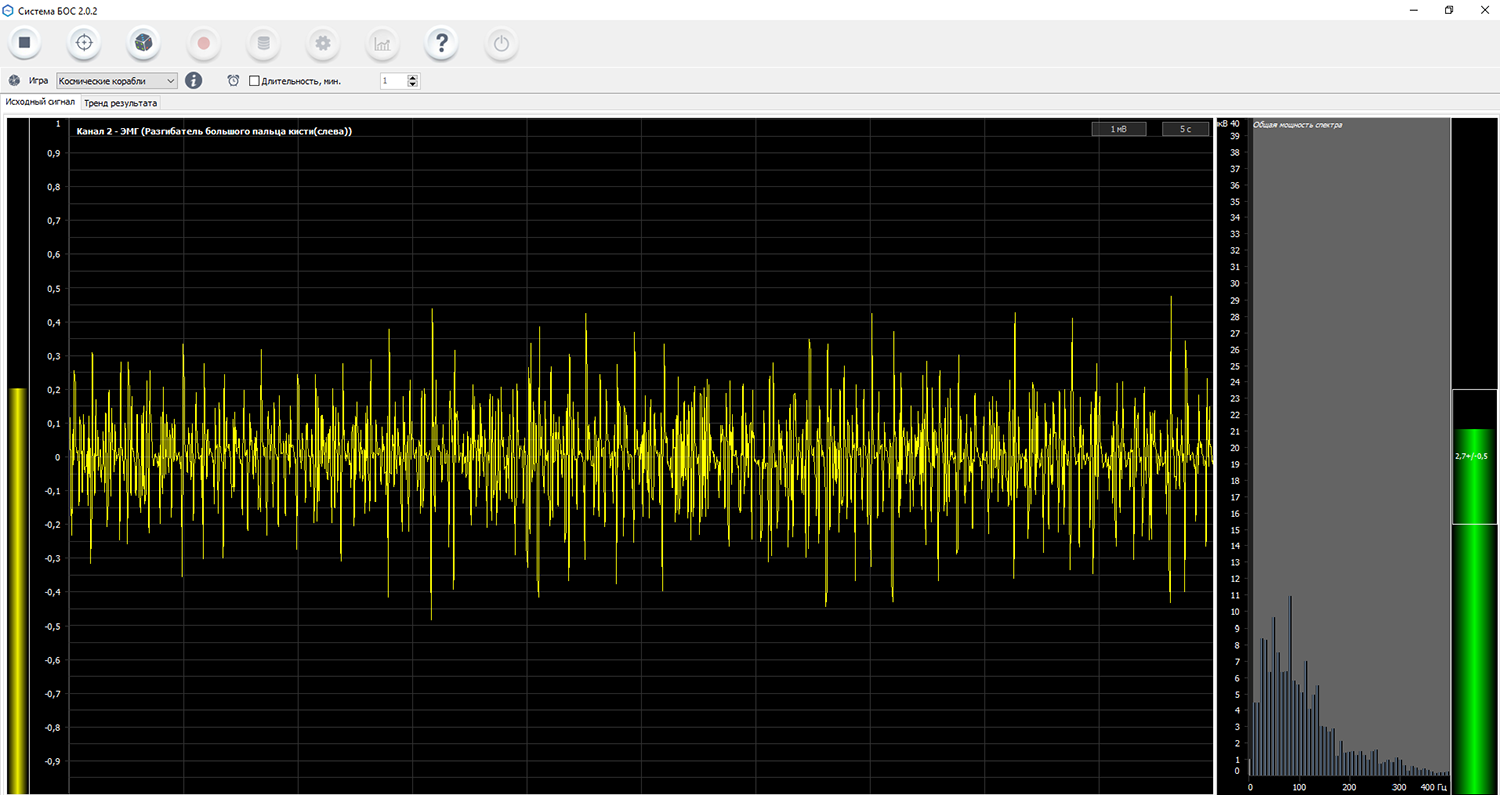
When working with heart rate signals, it's essential to consider the specifics of each method of data acquisition. The interpretation of these signals to obtain inhalation phase information may be subject to some delay due to sensor limitations, but users are still able to control their breathing and understand their current state. In such cases, software should strive to accurately reflect the user's physiological state while minimizing latency. Effective visualization of heart rate data requires clear and easy-to-understand graphs that can be interpreted by both players and experts. Depending on the application and goals, it may be necessary to work with raw data, which can involve processing at various levels, from the controller itself to specific software complexes or even individual mini-games.
Calibration is an essential step in ensuring that game controllers accurately respond to a user's physiological signals. However, when it comes to universal controllers designed for use by multiple individuals with varying characteristics, calibration can be a complex and nuanced process. While individualized calibration may not always be feasible or necessary, developing a controller that can adapt to different users' needs requires careful consideration of the unique challenges and complexities associated with each user's physiological signature.
In certain cases, such as image analysis using different camera models, preliminary calibration is necessary to minimize the influence of individual camera characteristics and optimize software performance. This process involves fine-tuning the system to account for variations in lighting conditions, sensor sensitivity, and other factors that can affect image quality.
To ensure effective training, calibration procedures can be tailored to each user's needs before each session. However, it is equally crucial to define the goals and characteristics of the training process itself. This involves setting clear objectives and adapting the program's parameters to meet those objectives. The method of adjustment may vary depending on the therapist or treatment plan, but software development should prioritize this aspect to ensure optimal results. For example, if the goal is to develop precise motor control in a specific limb, such as the left arm, the program must take into account the individual user's range of motion and adjust the game process accordingly. This flexibility is critical for achieving targeted training outcomes.
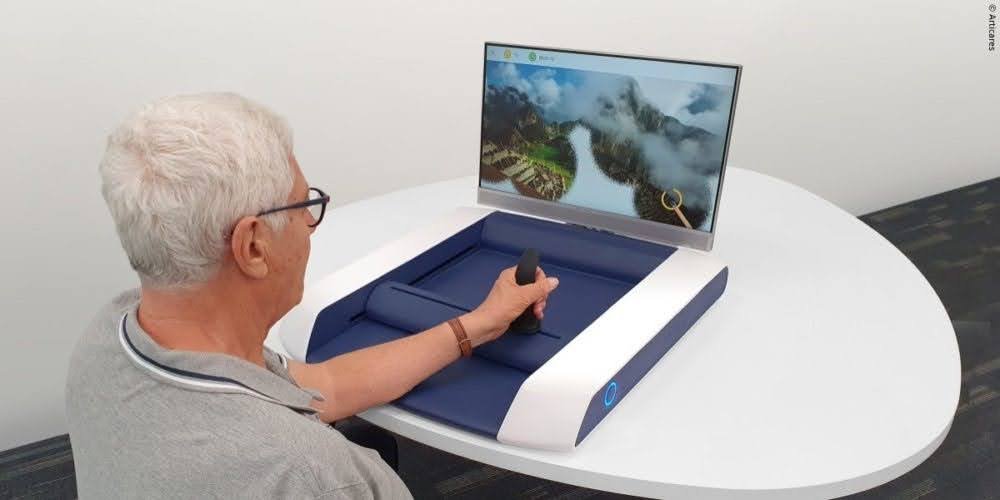
Methodologies play a crucial role in both medical and educational settings. Any rehabilitation or training program relies on a well-established theoretical framework that has been rigorously tested and validated through research and experimentation. By understanding the underlying principles and evidence-based practices, professionals can ensure the effectiveness and safety of their interventions. In medicine, strict regulatory frameworks govern clinical practice, while in education and correction, methodologies serve as a foundation for developing tailored programs and interventions that cater to individual needs and goals.
While methodologies can be developed independently of specific technologies or platforms, incorporating their principles into software development enables the creation of evidence-based programs that are grounded in scientific research and proven effective. The primary goal is not to overdo it with gamification, but rather to enhance the outcomes and optimize the user experience. By combining the best practices from various fields, we can create more effective and engaging solutions that cater to individual needs and goals.
The correction of mirror writing dysgraphia can be achieved through a combination of traditional logopedic methods and innovative approaches using computer-based training devices, such as those that utilize a graphic tablet for input. This hybrid approach allows for the integration of evidence-based practices from logopedics with the benefits of technology-enhanced learning.

In these types of projects, the methodist collaborates closely with the development team to ensure that the methodology is effectively integrated into the new system. The testing process becomes more comprehensive, encompassing not only the quality of the complex itself but also its performance in real-world scenarios. For medical devices, this level of scrutiny is essential for ensuring safety and efficacy. However, even non-medical systems benefit from rigorous testing in real conditions, which helps to validate the effectiveness of the chosen controllers, interaction methods, and game mechanics.
When developing these devices and programs, the process often begins with methods and research, rather than game development. While some devices may not have immediately apparent benefits, it is essential to exercise caution and adhere to the primary medical principle of "first, do no harm". Most of these devices are designed for use in clinical settings or by professionals, and human control plays a crucial role in ensuring that the device is used safely and effectively. By combining biologists feedback (BOS) with professional practices and approaches, healthcare providers can enhance treatment outcomes and improve patient care.
For instance, relaxation training complexes based on electroencephalogram analysis may be used alongside psychotherapy sessions. As a result, these devices are often viewed as auxiliary tools rather than medical equipment per se. The interpretation of data for individual patients is typically the responsibility of healthcare professionals, not the software itself. Consequently, the software must provide humans with additional information to enable effective monitoring and control of treatment outcomes. This necessitates ongoing education and training, which contributes to the relatively high cost and limited availability of such devices outside professional circles.
Data interpretation. Given the specificity of the field, the process is divided into separate stages either by the software or by the controlling specialist. Periods of active work should be replaced by rest periods.
The nature of the work can vary significantly depending on the methodology used. In physical training devices, the workflow is typically straightforward and intuitive: pedal as instructed until told to stop. In contrast, attention or writing trainers often require more nuanced approaches, where rest periods may not be simply a distraction from the screen or activity. In some cases, even the process of relaxation can yield valuable insights into an individual's behavior, habits, or cognitive processes.
In this context, the data collected during both active and resting phases are equally valuable. By monitoring how quickly heart rate returns to baseline levels after exercise, we can gain insights into an individual's cardiovascular health and resilience. Additionally, sensor data from rest periods can serve as a reference point for calibrating or adjusting training programs to meet each person's unique needs and parameters.
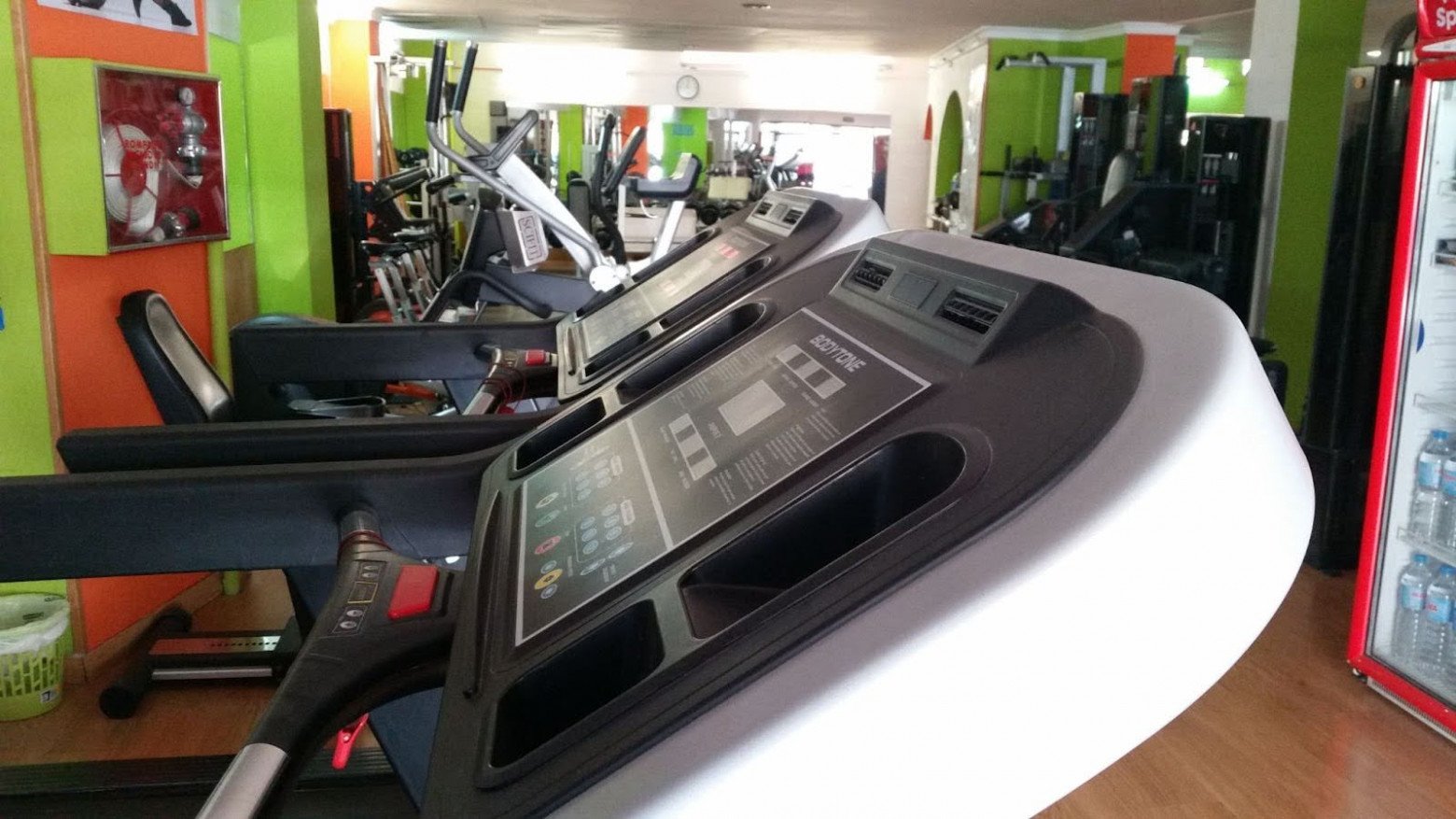
However, when our goal is to control relaxation rather than activity, we need to focus on absence of action rather than its presence. In some cases, simply sitting upright and maintaining balance can be a significant challenge. To address this, we can utilize sensors that track body position, such as those integrated into a stabilizing platform. This platform allows users to stand or sit comfortably while providing data about the controller's tilt. The game can then interpret these data to offer suggestions on how to distribute weight properly, providing feedback that is even more intuitive than that of a human trainer.
In this context, there is a need to collect additional statistics and conduct testing. While calibration data can contribute to these efforts, the real value lies in saving and analyzing input data itself. By doing so, we can gain insights into user behavior over time, much like how video games often record player movements and actions for analysis or sharing.
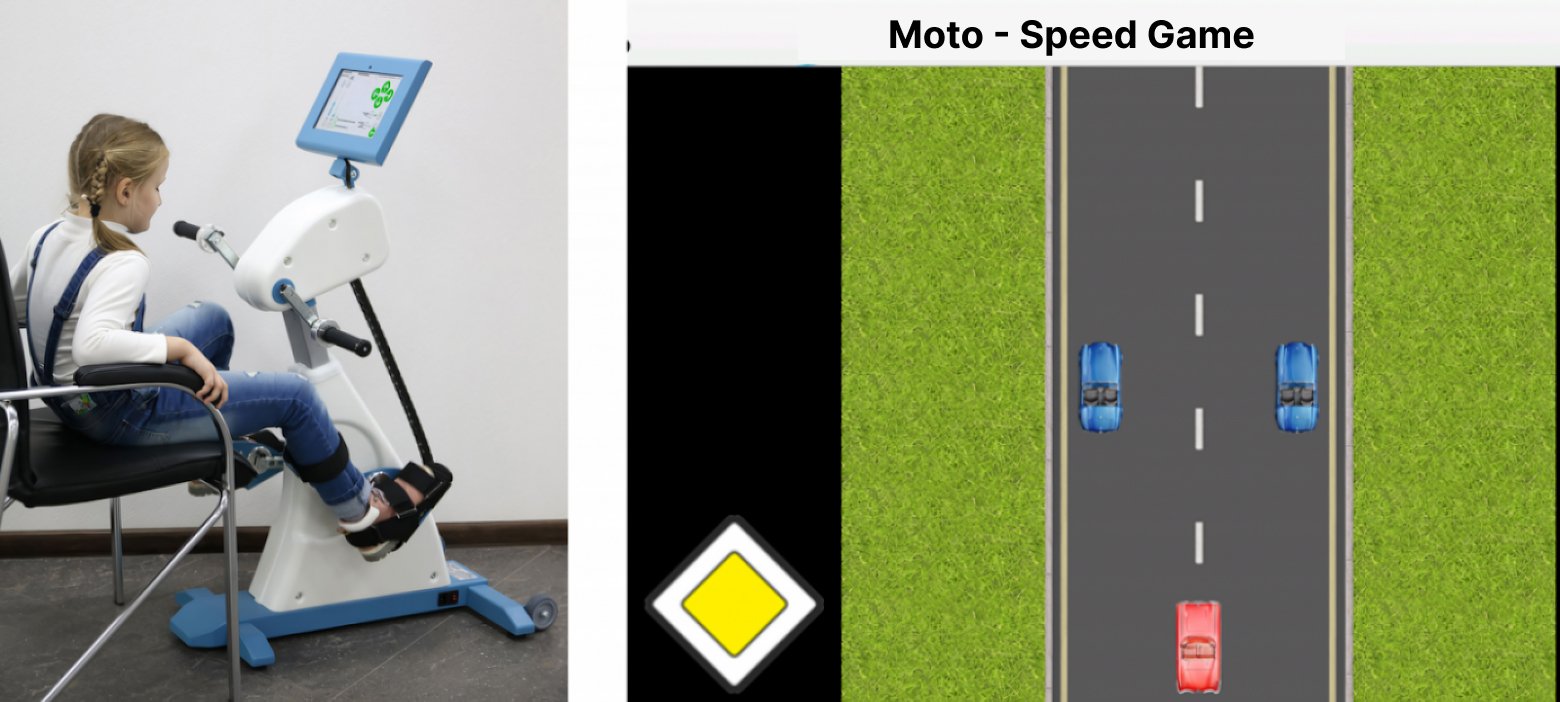
The potential value of these data depends on the specific methodology and objectives being pursued. Large datasets can enable deeper analysis and insights, but require careful annotation or labeling to ensure accuracy. A specialist's involvement in observing and correcting player behavior can facilitate this process, allowing for more nuanced and accurate labeling. While automation may become feasible with a sufficiently large dataset, machine learning remains a relatively rare feature in rehabilitation software at present.
Feedback. Quality feedback is crucial for any software. If a person receives information about the game's state, understands what they need to do, and then clearly sees the result of their actions, it provides them with a sense of control and engagement.
In medical trainers, timely and accurate feedback is crucial for ensuring that users perform exercises correctly and safely. This information enables them to understand the effectiveness of their efforts and adjust their technique accordingly. Additionally, clear feedback can help to alleviate frustration and make the rehabilitation process more engaging and rewarding.
Using game-based training equipment for rehabilitation after a stroke.
While it's tempting to assign the responsibility for explaining and motivating users to medical personnel, doing so may not be sufficient. Medical professionals already have a heavy workload, and delegating these tasks to them can be seen as an added burden. Moreover, relying solely on human input can lead to inconsistencies in feedback, which can compromise the effectiveness of rehabilitation. To address this challenge, game-based training equipment should provide clear and objective feedback that accurately reflects the user's progress and performance, regardless of the presence or absence of a medical professional.
For users to feel motivated and engaged, it's essential to provide clear and tangible feedback on their progress. This is not about simply praising their efforts or accomplishments, but rather about highlighting the concrete benefits they've achieved through their rehabilitation efforts. By doing so, you help patients see that their hard work has paid off in a meaningful way, which can be incredibly empowering and motivating.
ReviMotion: A complex for active rehabilitation combined with game technology from the Institute of Innovative Development of Samara State Medical University.
Conclusion
Game controllers must strike a delicate balance between universality and specificity. On one hand, mass-market gamers expect standardization and familiarity with established control schemes. On the other hand, innovation and differentiation are essential for standing out in a crowded market. As a result, creating a truly innovative controller requires not only creativity but also significant resources and investment.
While mainstream game development may prioritize familiarity and comfort, independent developers often push the boundaries of what's possible and reasonable. In the realm of medical rehabilitation equipment, however, the focus shifts from creating a familiar and user-friendly experience to one that delivers tangible benefits. As such, innovative solutions that can enhance treatment outcomes are highly valued in this field.
Perhaps another Jobs will come along and breathe new life into VR. Or maybe, in a medical laboratory, they'll finally create an non-invasive chip for controlling neural interfaces. Who knows? Enthusiasts continue to experiment. Another revolution is surely just around the corner. And when it happens, we'll undoubtedly discuss its consequences in our next article.